Introduction
Bitcoin mining has undergone a major transformation over the past decade. In the early years, owning mining hardware was the primary way to participate in the mining ecosystem. Users purchased equipment, managed installations, monitored performance, and handled maintenance themselves. While this approach offered direct control, it also came with significant complexity and operational responsibility.
In 2026, a growing number of users are choosing remote mining instead of hardware ownership. The shift is being driven by changing user expectations, improved mining infrastructure, and the desire for a more accessible and efficient mining experience. As the industry evolves, remote mining is becoming the preferred participation model for many modern crypto users.
The Complexity of Hardware Ownership
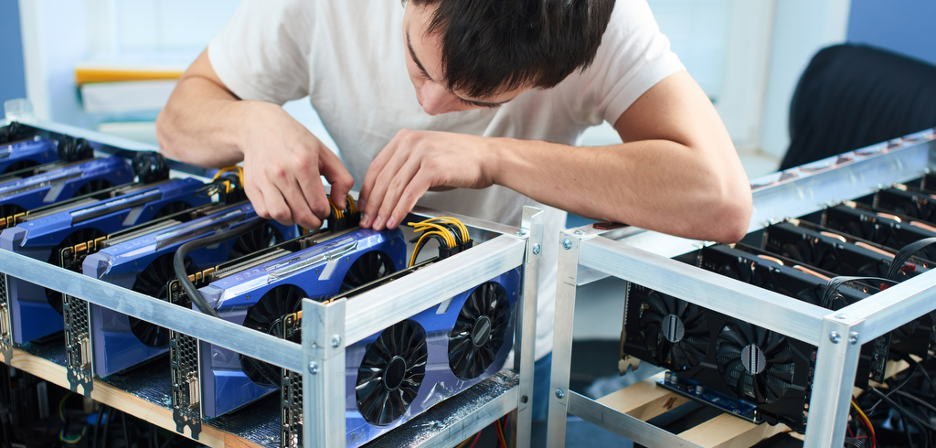
Owning mining hardware involves much more than simply purchasing a machine. Users must consider setup requirements, power consumption, cooling systems, equipment maintenance, and ongoing operational management.
As mining technology has become more advanced, these responsibilities have also increased. For many individuals, managing a mining operation independently can be time-consuming and technically demanding.
Remote mining removes many of these challenges by allowing users to participate without directly operating physical equipment.
Accessibility Is Driving Adoption
One of the biggest advantages of remote mining is accessibility. Users no longer need specialized technical knowledge or dedicated physical space to participate in mining activities.
Platforms such as Volta Mine help make mining more accessible by providing structured participation models supported by professionally managed infrastructure. This allows users to engage with mining operations through a simpler and more streamlined experience.
Accessibility is expanding the potential user base and helping introduce mining to a wider audience.
Professional Infrastructure Offers Greater Efficiency
Modern mining facilities are designed to operate at scale. These environments benefit from advanced cooling systems, optimized energy management, continuous monitoring, and professional operational oversight.
Most individual users cannot replicate these conditions at home. By utilizing remote mining platforms, participants gain access to infrastructure specifically built for mining performance and reliability.
Professional infrastructure helps create a more consistent and organized mining environment.
Convenience Has Become a Major Priority
The modern crypto user values convenience more than ever before. Many people want exposure to mining without having to manage equipment, troubleshoot technical issues, or monitor hardware performance.
Remote mining aligns perfectly with this preference. Users can participate in mining activities while avoiding many of the operational tasks traditionally associated with hardware ownership.
This convenience is one of the strongest factors contributing to the growth of remote mining.
Scalability Is Easier Through Remote Mining
Expanding a hardware-based mining operation often requires additional equipment, increased power capacity, more physical space, and greater maintenance requirements.
Remote mining platforms simplify scalability by allowing participation within professionally managed systems that are already designed for large-scale operations. This creates a more flexible environment where growth can occur without the logistical challenges of managing additional hardware.
Scalability has become increasingly important as mining continues to evolve.
Reduced Operational Responsibility
Hardware ownership requires users to take responsibility for equipment performance, maintenance schedules, repairs, and environmental conditions. These responsibilities can create unexpected costs and operational challenges.
Remote mining shifts much of this complexity away from the participant and into professionally managed environments. This allows users to focus on participation rather than equipment management.
For many modern users, reducing operational responsibility is a significant advantage.
Stability Appeals to Long-Term Participants
Today’s mining participants are increasingly focused on stability and long-term involvement. Rather than constantly managing technical systems, many users prefer structured participation models that provide a more predictable experience.
Remote mining platforms are often designed around operational consistency and professional management, making them attractive to users seeking a stable approach to mining participation.
This preference for stability reflects broader trends across the cryptocurrency industry.
The Industry Is Becoming More User Focused
Mining platforms are increasingly prioritizing user experience as competition grows. Clear interfaces, organized reporting, simplified onboarding, and transparent operations are helping make mining more approachable.
Remote mining fits naturally within this trend because it reduces complexity and allows users to participate through streamlined digital experiences rather than hardware-intensive setups.
User-focused design is becoming a defining feature of modern mining platforms.
The Future of Mining Participation
As technology advances and user expectations continue to evolve, participation models are becoming more flexible. The industry is moving beyond the idea that mining requires direct hardware ownership.
Instead, users now have access to professionally managed environments that offer convenience, scalability, and accessibility. This shift is helping reshape how people interact with mining and expanding opportunities for broader participation.
Remote mining is positioned to remain a major part of this evolution.
Final Thoughts
Remote mining is becoming more popular than hardware ownership because it offers greater accessibility, convenience, scalability, and operational simplicity. Modern users increasingly prefer participation models that allow them to engage with mining without managing the technical complexities of physical equipment.
Platforms like Volta represent this new generation of mining participation by combining professional infrastructure, structured operations, and user-friendly experiences. As the mining industry continues to mature, remote mining is likely to play an increasingly important role in making Bitcoin mining more accessible to users around the world.