Introduction
Bitcoin mining has evolved dramatically since its early days. What began as a technical activity carried out by enthusiasts using personal computers has grown into a sophisticated global industry supported by advanced infrastructure and specialized operations. As the ecosystem has matured, the way people participate has changed as well.
One of the biggest developments driving this transformation is the rise of managed mining ecosystems. Instead of requiring users to purchase hardware, configure systems, and oversee operations themselves, modern platforms are creating environments where infrastructure is professionally managed behind the scenes. This approach is redefining how people interact with Bitcoin mining and making participation more accessible than ever before.
Managed mining ecosystems are not simply changing technology. They are changing the experience of mining itself.
The Challenges of Traditional Mining
Traditional Bitcoin mining required significant technical expertise and operational involvement. Users had to acquire specialized hardware, manage cooling systems, optimize performance, and maintain equipment continuously. As network difficulty increased and competition intensified, these responsibilities became more demanding.
For many people, the complexity of traditional mining created barriers that made participation difficult. Interest in Bitcoin continued to grow, but access remained limited by technical requirements and infrastructure challenges.
This gap between interest and accessibility created the foundation for a new approach.
Managed Ecosystems Simplify Participation
Managed mining ecosystems remove many of the challenges associated with traditional operations. Instead of focusing on hardware management, users gain access to professionally operated infrastructure through structured platforms.
This model allows participants to engage with Bitcoin mining without needing extensive technical knowledge or physical equipment. Operational complexity is handled by specialized systems, creating a simpler and more convenient experience.
By separating participation from infrastructure management, managed ecosystems are making mining accessible to a broader audience.
Professional Infrastructure Creates Better Experiences
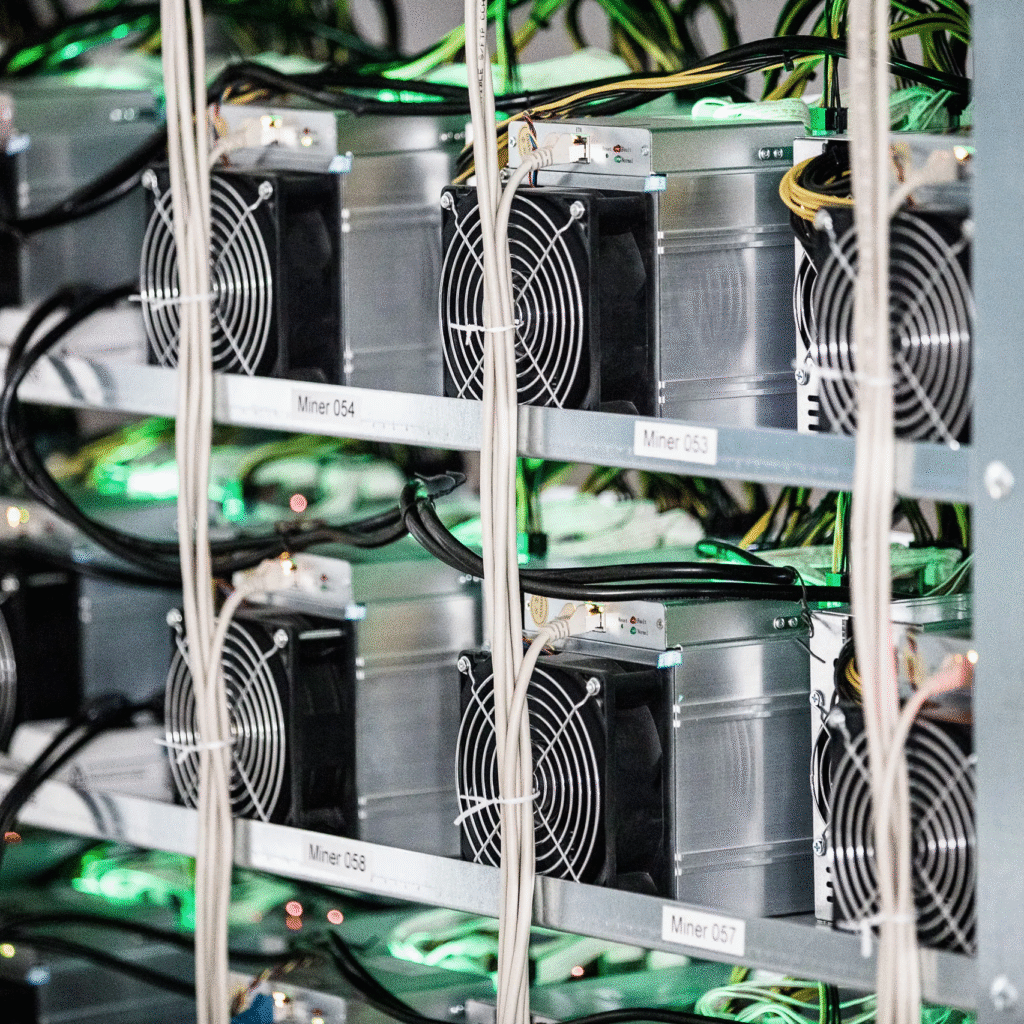
Behind every managed mining ecosystem is a foundation of large-scale infrastructure and operational expertise. Advanced facilities, monitoring systems, and structured processes support reliability and consistency.
Users benefit from professionally managed environments without taking on the responsibilities that traditionally accompanied mining. This creates experiences that are more practical and aligned with the expectations of modern digital consumers.
Strong infrastructure enables seamless participation.
Accessibility Is Expanding the Community
One of the greatest advantages of managed mining ecosystems is their ability to reduce barriers. People who may have previously avoided mining because of technical complexity can now participate through more accessible platforms.
This broader accessibility is helping expand the global mining community and encouraging greater engagement. Individuals with varying levels of experience can explore Bitcoin mining without the challenges associated with managing physical operations.
As barriers decline, participation becomes more inclusive.
User Experience Has Become a Priority
Modern users expect more than access to technology. They value intuitive systems, organized processes, and experiences that are easy to navigate. Mining platforms are responding by placing greater emphasis on user experience.
Managed ecosystems focus on simplicity because they recognize that confidence grows when users feel comfortable interacting with a platform. Clear communication and streamlined processes help create positive experiences and encourage long-term engagement.
User experience is becoming one of the defining characteristics of modern mining platforms.
The Shift From Ownership to Access
Across the digital economy, consumers are increasingly prioritizing access over ownership. Streaming services replaced physical media, cloud computing transformed software delivery, and subscription models changed how people use digital products.
Bitcoin mining is following a similar path. Instead of owning and maintaining hardware, users can access professionally managed systems through cloud-based ecosystems. This shift reflects broader trends that favor convenience and efficiency.
Access is becoming more valuable than operational complexity.
Trust and Reliability Matter More Than Ever
As the industry matures, participants are placing greater importance on transparency, consistency, and reliability. Managed mining ecosystems are designed to create environments where users can participate with confidence.
Professional operations, structured systems, and dependable infrastructure help strengthen trust and support long-term relationships. Modern users are looking for platforms that prioritize stability and deliver experiences that feel reliable.
Trust is becoming one of the most valuable assets in the mining industry.
Managed Ecosystems Support Sustainable Growth
Scalability and operational discipline are essential for long-term development. Managed mining ecosystems provide frameworks that support growth while maintaining efficiency and consistency.
By centralizing infrastructure and simplifying participation, these ecosystems create environments that are better suited for expanding communities and evolving market demands.
Sustainable growth depends on systems that balance accessibility with professional operations.
The Future of Bitcoin Participation
The future of Bitcoin mining is likely to be shaped by platforms that prioritize convenience, accessibility, and user experience. Managed ecosystems are helping transform mining from a highly technical activity into a more inclusive digital experience.
As technology continues to advance and user expectations evolve, professionally managed environments will play an increasingly important role in supporting broader participation and long-term industry growth.
The next generation of mining will focus less on complexity and more on creating experiences that users value.
Final Thoughts
Managed mining ecosystems are changing Bitcoin participation by removing barriers and creating experiences designed around accessibility and convenience. Through professional infrastructure, user-focused platforms, and simplified participation, they are helping redefine what mining looks like in the digital era.
As the industry continues to mature, the platforms that emphasize trust, reliability, and seamless experiences will shape the future of Bitcoin participation. Managed ecosystems are not simply making mining easier. They are creating a new model built for the expectations of modern users.