Introduction
Bitcoin mining has undergone a remarkable transformation since the launch of Bitcoin in 2009. What began as a niche activity performed by enthusiasts using personal computers has evolved into a sophisticated global industry supported by specialized hardware, professional infrastructure, and cloud-based systems. Along with technological progress, the way individuals participate in mining has changed dramatically.
The digital era has reshaped user expectations across industries, and Bitcoin mining is no exception. Modern users seek convenience, accessibility, and experiences that align with the increasingly connected world around them. As a result, mining participation has evolved from hardware ownership and technical complexity toward professionally managed ecosystems that prioritize simplicity and accessibility.
This evolution reflects broader trends within the digital economy and highlights how Bitcoin mining is adapting to meet the needs of a growing and more diverse audience.
The Early Days of Bitcoin Mining
In Bitcoin’s early years, participation was relatively simple. Individuals could mine using standard computers and basic software. The network was smaller, competition was limited, and mining was accessible to anyone with an interest in cryptocurrency.
This period attracted technology enthusiasts and early adopters who enjoyed experimenting with decentralized systems. Participation required curiosity and technical knowledge, but the overall environment remained relatively straightforward compared to today’s standards.
As Bitcoin gained popularity, however, the mining landscape began to change.
The Rise of Specialized Hardware
Increasing competition and higher network difficulty led to the development of specialized mining equipment. Graphics processing units were eventually replaced by Application-Specific Integrated Circuits, commonly known as ASIC miners. These machines dramatically improved efficiency and transformed mining into a more professional activity.
While hardware innovation strengthened the industry, it also introduced new challenges. Users needed to invest in equipment, manage cooling systems, optimize performance, and maintain operations. Mining became increasingly resource intensive and less accessible to casual participants.
The focus shifted from individual computers to industrial-scale operations.
Complexity Created New Barriers
As mining infrastructure expanded, participation became more complicated. Hardware costs, maintenance requirements, energy management, and technical expertise created barriers that prevented many individuals from entering the industry.
Although the ecosystem continued to grow, the increasing complexity limited accessibility. People interested in Bitcoin often found themselves discouraged by the operational responsibilities required for traditional mining.
This gap between interest and accessibility created demand for alternative participation models.
Cloud Mining Changed the Landscape
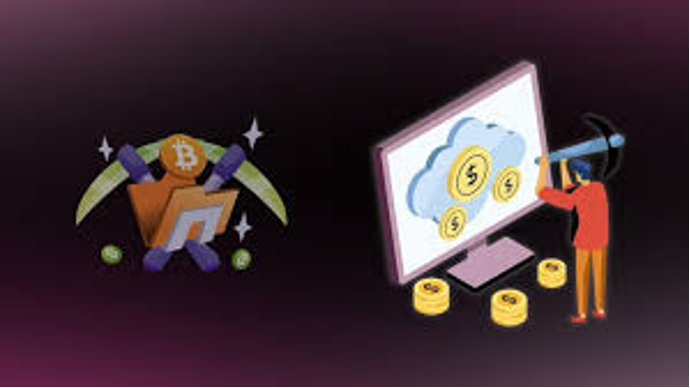
Cloud mining emerged as a response to the challenges associated with traditional mining. Instead of purchasing and managing physical hardware, users gained access to professionally managed infrastructure through digital platforms.
This innovation fundamentally changed Bitcoin mining participation. Users no longer needed dedicated spaces, technical expertise, or ongoing maintenance responsibilities. Cloud-based systems made participation more practical and accessible.
By removing many of the traditional barriers, cloud mining opened the door to a broader audience and helped redefine what mining participation could look like in the digital era.
The Shift From Ownership to Access
One of the most important developments in modern mining is the transition from ownership-based models to access-based experiences. This trend mirrors changes across the digital economy.
Consumers now stream media instead of buying physical discs, use cloud services instead of maintaining private servers, and rely on subscription models for many digital products. Bitcoin mining is following a similar path.
Modern users increasingly value access to professionally managed infrastructure rather than owning and maintaining complex equipment themselves. This shift is helping make mining participation more flexible and convenient.
The digital economy favors accessibility over complexity.
User Experience Is Reshaping Mining
Today’s users expect more than technical performance. They want intuitive platforms, simple processes, and experiences that are easy to understand. User experience has become one of the most important factors influencing participation.
Mining platforms are increasingly focusing on accessibility and convenience because they recognize that modern users value seamless interactions. Clear communication and organized systems help create confidence and encourage long-term engagement.
Technology remains important, but user experience has become equally essential.
Professional Infrastructure Supports Wider Participation
Large-scale mining operations rely on advanced facilities, optimized systems, and continuous monitoring. These resources are difficult for individuals to replicate independently.
Professionally managed infrastructure allows users to benefit from industrial-grade operations without handling the underlying complexity. This model makes participation more practical and contributes to the expansion of the mining community.
Infrastructure is no longer limited to those with specialized expertise or significant resources.
Trust and Transparency Define the Modern Era
As the industry matures, users are placing greater emphasis on transparency and trust. Participants want to understand how platforms operate and seek environments that prioritize reliability and clear communication.
Confidence has become one of the most valuable assets in cloud mining. Platforms that focus on openness and operational discipline are better positioned to build strong communities and support sustainable growth.
The digital era has made trust just as important as technology.
The Future of Bitcoin Mining Participation
Bitcoin mining participation will continue evolving as technology advances and user expectations change. Accessibility, simplicity, and professionally managed ecosystems will likely play increasingly important roles in shaping the future.
More people are entering the digital asset space, and they expect experiences that fit naturally into modern digital lifestyles. Platforms that prioritize convenience, reliability, and user confidence will help drive the next phase of growth.
The future of mining participation will be defined not by complexity, but by inclusion and accessibility.
Final Thoughts
The evolution of Bitcoin mining participation in the digital era reflects the broader transformation taking place across the digital economy. What began as a technical activity for enthusiasts has become a more accessible and user-focused experience supported by professional infrastructure and cloud-based systems.
As the industry continues to mature, accessibility, transparency, and user experience will shape the future of participation. The next generation of Bitcoin mining will not be defined solely by hardware and technology. It will be defined by how effectively platforms make participation available to people around the world.