
Introduction
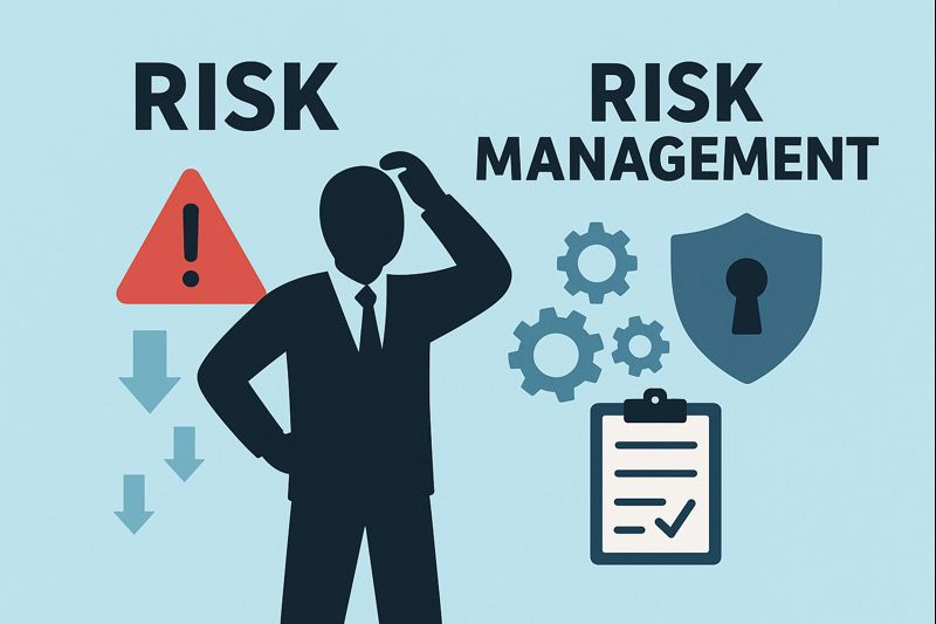
One of the most common mistakes in cloud mining is focusing too heavily on rapid growth while ignoring risk management completely. Many users enter the mining space expecting immediate expansion, aggressive returns, and fast results. While growth is important, experienced miners understand that uncontrolled growth often creates instability instead of long-term success. In reality, strong mining performance is usually built through balance, patience, and structured decision-making.
Aggressive Growth Often Creates Pressure
When users focus only on growing as quickly as possible, every short-term fluctuation starts to feel more serious. This creates emotional pressure and leads to rushed decisions that are often difficult to maintain long term. Aggressive behavior usually increases instability instead of improving consistency. Sustainable systems are rarely built around constant pressure or unrealistic expectations.
Platforms like Volta Mine focus on creating a more balanced and structured mining experience where users can approach long-term participation more calmly and confidently.
Risk Management Supports Long-Term Stability
Risk management is important because cloud mining operates within changing conditions. Small fluctuations, operational shifts, and evolving performance patterns are normal parts of the process.
Users who understand this are usually less reactive and more focused on long-term consistency instead of short-term movement. Controlled decision-making improves overall stability.
Sustainable Growth Is More Reliable
Fast growth can look attractive in the beginning, but sustainability is what determines whether progress can continue over time. Experienced users often prefer gradual and manageable growth because it creates less operational and emotional stress. Stable systems usually perform better long term than systems constantly chasing aggressive expansion.
Emotional Decisions Increase Risk
Many mining mistakes happen because users react emotionally to temporary changes. Fear, impatience, and unrealistic expectations often lead to rushed decisions that create unnecessary problems.
Risk management helps users stay focused on broader performance patterns instead of isolated moments. Calm decision-making usually produces stronger outcomes.
Stability Creates Better Confidence
When users approach mining with a balanced mindset, they tend to evaluate systems more clearly. Instead of constantly searching for extreme short-term performance, they focus on whether the platform remains stable and understandable over time. Confidence grows more naturally in structured environments.
Long-Term Observation Improves Judgment
Short-term observation often exaggerates small fluctuations and creates unnecessary concern. Risk management encourages users to evaluate performance over longer periods instead of reacting to every daily movement. Long-term thinking usually leads to more rational decisions.
Controlled Participation Reduces Stress
Mining becomes much easier to manage when users avoid excessive pressure. Controlled participation allows users to observe how the system behaves without feeling emotionally overwhelmed by short-term changes. Lower stress improves consistency and confidence.
Reliable Systems Prioritize Balance
Strong mining platforms are usually designed around operational balance rather than unrealistic speed. Systems that focus too heavily on aggressive growth often struggle to maintain consistency over time. Balanced operational structures support stronger long-term reliability.
Final Thoughts
Risk management matters more than aggressive growth because long-term mining success depends on stability, consistency, and sustainable decision-making. While rapid expansion may seem attractive initially, uncontrolled growth often creates pressure, emotional reactions, and unnecessary instability.
Platforms like Volta support a more balanced approach through structured operations, simplified user experience, and long-term consistency. In the end, successful mining is not about growing as fast as possible. It is about building stable participation that remains manageable, reliable, and sustainable over time.